
Urban Food Buffer:
Build Real Food Security
Without Land or Panic
When life feels uncertain, food security becomes emotional security. A rotating food buffer creates a small, practical layer of stability that reduces stress during disruption, relocation, or financial change — without needing land, money upfront, or perfection.
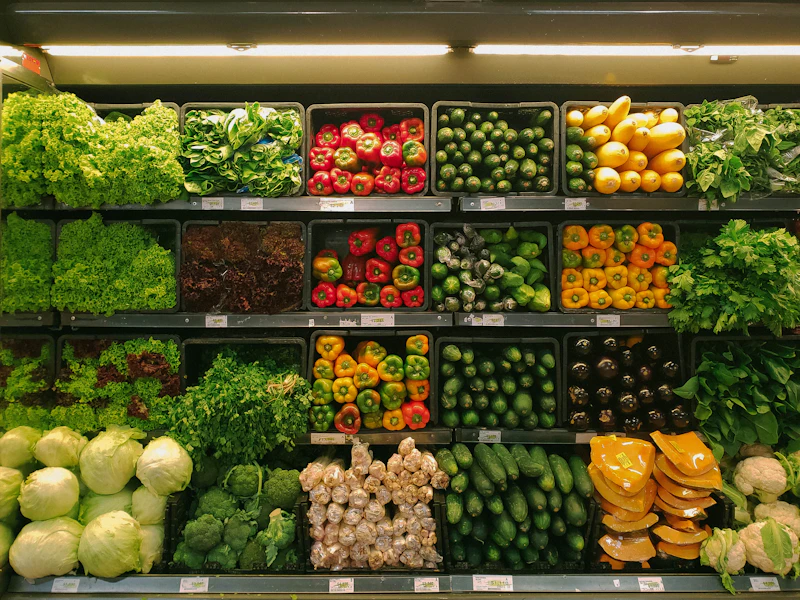 Food Security
Why It Matters
Why Build an Urban Food Buffer?
Reduce Fragility
Small food reserves reduce dependence on unstable supply chains, sudden income changes, or local disruptions. Even 7 days of food on hand changes your options dramatically.
Stay Flexible
Urban-friendly food systems support mobility during relocation or temporary living situations. A well-organized rotating pantry travels with you and adapts to any kitchen.
Lower Stress
Knowing you can feed yourself for days or weeks creates calm during uncertain times. Food security is emotional security — it's one of the fastest ways to feel more prepared.
Save Money Over Time
Buying shelf-stable staples in bulk during normal times costs far less than emergency purchases during shortages. A rotating pantry pays for itself within months.
No Land Required
Apartments, condos, and small urban homes can build a meaningful food buffer. Under-bed storage, cabinet organization, and a windowsill herb garden are all the space you need.
Zero Waste System
A rotating pantry uses oldest items first and replaces as you go — so nothing expires unused. This isn't hoarding. It's a smarter way to shop that reduces both waste and cost.
The NestPaths Framework
Start Small — Build in Layers
You don't need to prepare for everything at once. Add one layer at a time, starting with what feels most manageable for your household.
Layer 01 · Foundation
Smart Pantry
Build a rotating 7–14 day supply of shelf-stable foods your household already eats. Add 2–3 extra items per grocery run and use the oldest items first.
- Start with foods your family eats weekly
- Label items with purchase date
- Use a simple first-in, first-out system
- Aim for 2 weeks of meals before moving to Layer 2
- Budget $5–10 per person per week to build gradually
Layer 02 · Growing
Micro Growing
Grow herbs, greens, or sprouts in containers, on a balcony, or on a windowsill. Even one pot of herbs reduces dependence on grocery supply chains.
- Sprouts: 3–5 days, just water + a jar
- Microgreens: 7–14 days, any tray
- Herbs: basil, mint, chives on any windowsill
- Lettuce & spinach thrive in containers indoors
- See our Urban Gardening Guide (coming soon)
Layer 03 · Skills
Practical Skills
Cooking, storage, and planning habits matter more than equipment. Skills compound over time and cannot be disrupted by supply chains.
- Batch cooking from pantry staples
- Basic fermentation (yogurt, sauerkraut, kimchi)
- Cooking without power (camp stove, solar)
- Food preservation: drying, pickling, freezing
- Meal planning with only what's on hand
Community Food Resources
Food Banks, Mutual Aid & Community Support
Building a food buffer is a personal strategy — but community resources are the safety net underneath it. Know where they are before you need them.
Searchable map of mutual aid networks across the United States. Find local groups providing food, supplies, and community support near you.
Find community refrigerators near you where neighbors share surplus food freely. Growing rapidly in urban areas across the U.S.
Find one of 200+ Feeding America member food banks by zip code. Serves 40 million Americans annually. No income verification required at many locations.
Supplemental Nutrition Assistance Program (formerly food stamps). Benefits load monthly onto an EBT card. Many households qualify who don't realize they do.
Nutrition support for pregnant women, new mothers, infants, and children under 5. Covers food, nutrition education, and healthcare referrals.
Free and reduced school meals, summer food programs for children, and senior nutrition programs including Meals on Wheels — all via your local county services office.
Many food banks serve all community members regardless of immigration status. Local immigrant resource centers often maintain food access programs not listed in national directories.
Your Pantry Starter Guide
Best Shelf-Stable Foods for an Urban Household
Focus on foods with long shelf lives that your family already enjoys. Rotate by using oldest items first and replacing as you go.
- Canned beans (black, pinto, lentils)
- Canned tuna, salmon, sardines
- Canned chicken
- Peanut butter & almond butter
- Dried lentils & split peas
- Nuts and seeds
- White or brown rice
- Rolled oats
- Pasta (varied shapes)
- Whole grain crackers
- Flour & cornmeal
- Quinoa
- Canned tomatoes (diced, whole, paste)
- Canned corn & green beans
- Canned pumpkin or squash
- Freeze-dried vegetables
- Dehydrated mushrooms
- Root vegetables (potatoes, onions)
- Olive oil or coconut oil
- Salt, pepper, dried spices
- Soy sauce or tamari
- Vinegar (apple cider, white)
- Honey & maple syrup
- Bouillon cubes or broth
- Long-life oat or almond milk
- Powdered milk
- Canned coconut milk
- Shelf-stable cheese (wax-coated)
- Ghee (clarified butter)
- Nutritional yeast
- Stored water: 1 gal/person/day
- Water purification tablets
- Portable water filter (LifeStraw)
- Electrolyte packets
- Herbal teas & coffee
- Water storage containers
Expanding This Section
More Food Security Guides Coming Soon
These subpages are in development and will be linked here as they publish. Sign up below to be notified.
Urban Gardening Guide: Grow Food in Any Space
Container gardening, vertical growing, windowsill herbs, balcony beds, and community garden access — even with zero outdoor space. Practical for renters and apartment dwellers.
Notify me when live →Food Preservation Basics: Ferment, Dry & Store
Simple preservation techniques that extend your food supply without special equipment — fermentation, dehydrating, water bath canning, and salt curing for beginners.
Notify me when live →Pantry Cooking: 30 Meals from Shelf-Stable Ingredients
Real, family-friendly recipes using only what's in your emergency pantry — including no-power cooking options and culturally adaptable staple meal templates.
Notify me when live →Continue Your Readiness Planning
Related Resilience Paths
Helpful Learning Resources
Go Deeper
Data sources: FEMA Emergency Preparedness Guidelines · USDA Food Safety & Nutrition Service · Feeding America Network Data 2025 · UN FAO Urban Agriculture Reports · Old Farmer's Almanac — all verified Q1 2026. | ← Back to All Resilience Paths
Common Questions
Urban Food Buffer: Frequently Asked Questions
What is an urban food buffer and how is it different from stockpiling?
An urban food buffer is a rotating 1–4 week supply of shelf-stable foods your household already eats — not a one-time hoarding purchase. You buy a little extra each week, use the oldest items first, and replenish as you go. There's no waste, no large upfront cost, and it works in any size home or apartment. Stockpiling implies accumulation without rotation; a food buffer is a living system.
How much food should I store for a 2-week emergency?
FEMA recommends a minimum 72-hour supply, but a 2-week rotating buffer is far more resilient. For a family of four, aim for approximately 84 meals of shelf-stable food. Budget roughly $5–10 per person per week added to your regular shopping. Build gradually over 6–8 weeks rather than all at once — this is more sustainable and avoids financial strain.
What are the best shelf-stable foods to stock for an emergency?
Prioritize foods with long shelf lives that your family already enjoys: canned beans, lentils, and chickpeas (protein + fiber), canned fish and chicken, canned tomatoes and vegetables, rice, oats, pasta, peanut butter, long-life plant milks, olive oil, salt, spices, and honey. Shop ethnic grocery stores for grains and legumes at significantly lower prices than mainstream supermarkets.
Where can I find free food assistance or food banks near me?
Dial 211 from any phone in the US — it's free, confidential, and connects you to local food assistance 24/7. Feeding America's food bank locator covers 200+ food banks nationally. Search "[your city] mutual aid" or "[your city] community fridge" for informal neighborhood networks. Many food banks serve all community members regardless of income level or documentation status.
Can I grow food in an apartment or small urban space?
Yes — and more than you might think. Sprouts grow in a jar on any counter in 3–5 days with only water. Microgreens take 7–14 days in any shallow tray. Herbs, lettuce, and spinach thrive in containers on windowsills or balconies. A single south-facing window can support a meaningful supplement to your grocery shopping year-round. Our Urban Gardening Guide (coming soon) covers this in full detail.
Resilience starts with small systems. You don't need to prepare for everything — reduce one point of stress at a time and build stability gradually.
Explore All Resilience Paths →