DIY Mini Builds for Small Spaces
Practical, step-by-step guides to help you build, fix, and create confidently—anywhere in the world.
2️⃣ Safety & Tools Guide
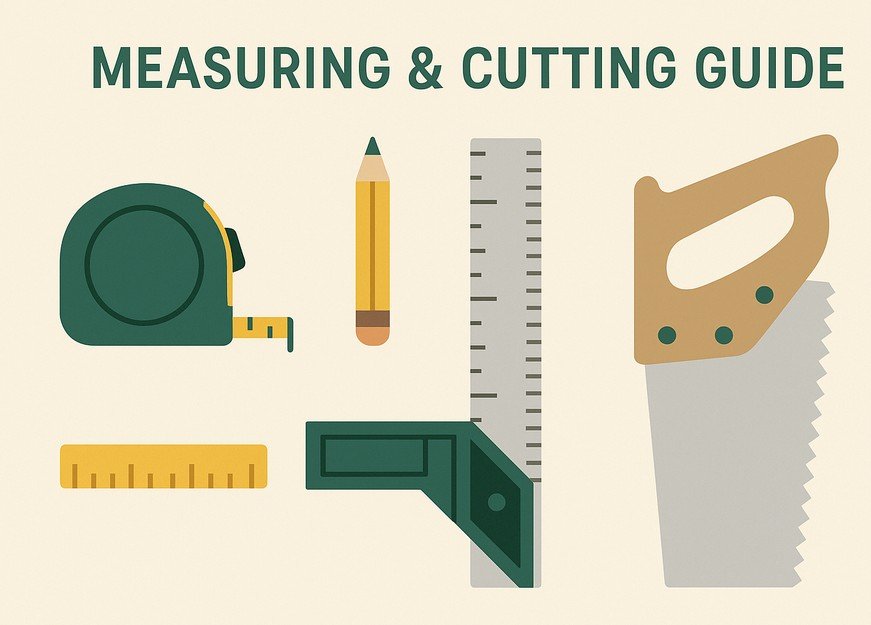
Measuring & Cutting Guide
- Accurate measurement techniques
- Cutting wood safely
- Beginner-friendly diagrams
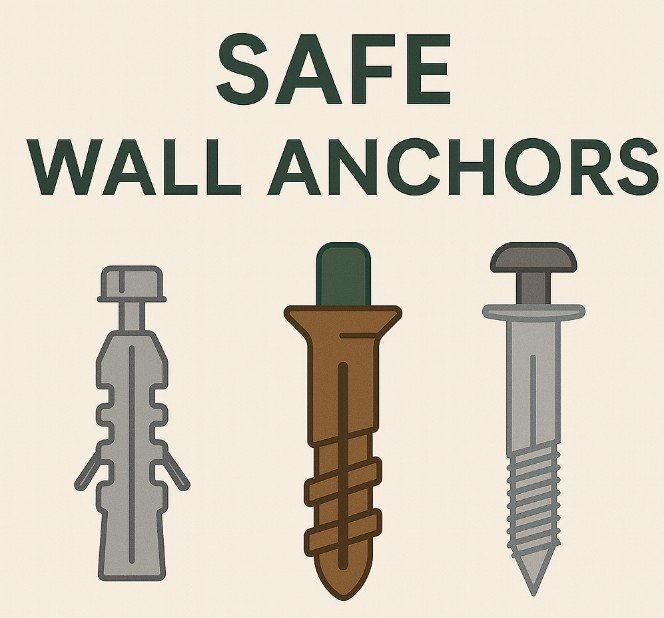
Safe Wall Anchors
- Drywall, concrete, brick
- Step-by-step anchor install
- Weight limit + safety notes
Electrical & Plumbing Basics
- What beginners can do safely
- What requires a pr0
- Common mistakes to avoid
3️⃣ Room-by-Room Tutorials - COMING SOON!!!
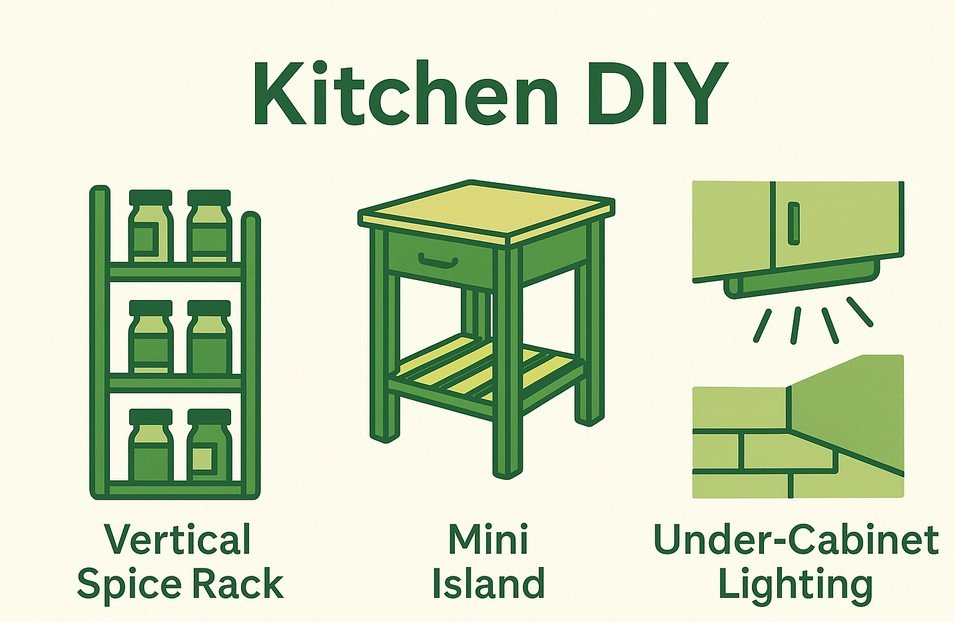
KITCHEN DIY
- Vertical spice rack build
- Mini island creation
- Under-cabinet lighting
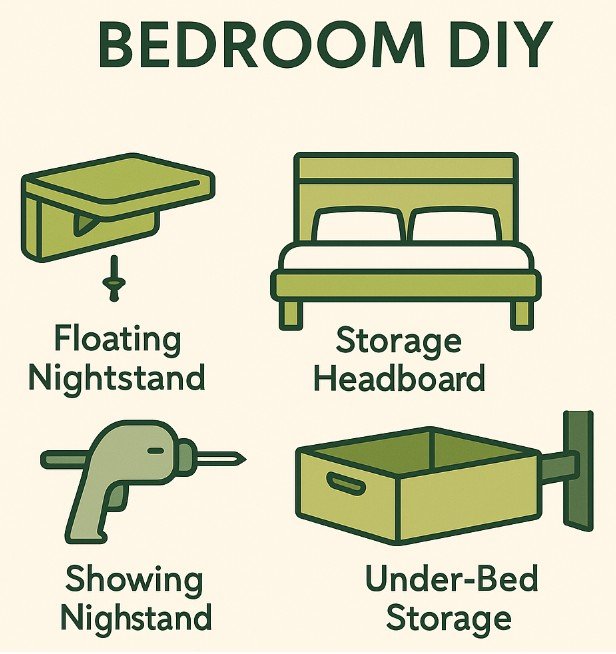
Bedroom DIY
- Storage headboard build
- Micro-closet systems
- Floating nightstands
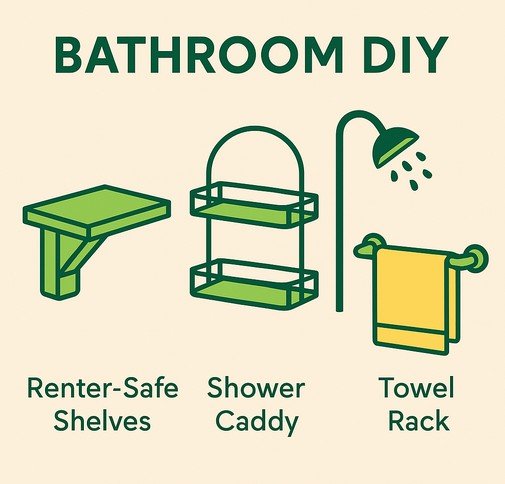
Bathroom DIY
- Beginner faucet install
- Renter-safe shelving
- Moisture-proofing tips
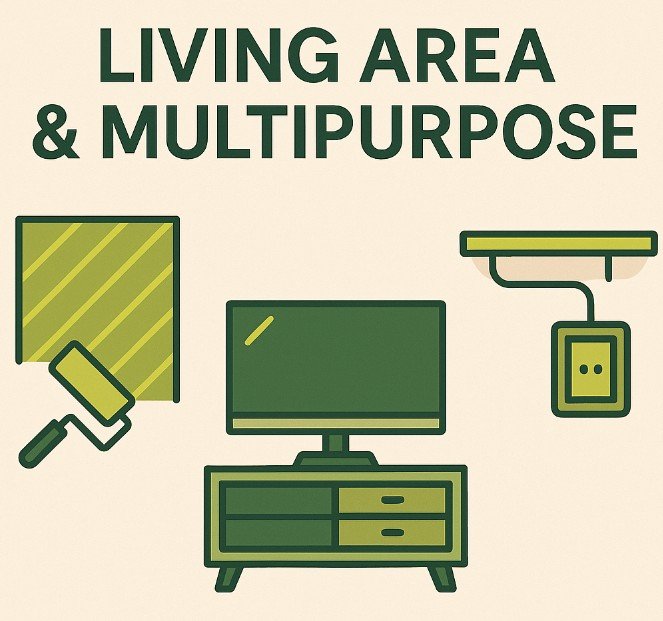
Living Area & Multipurpose
- Accent wall makeover
- Foldable dining table
- Herb wall installation
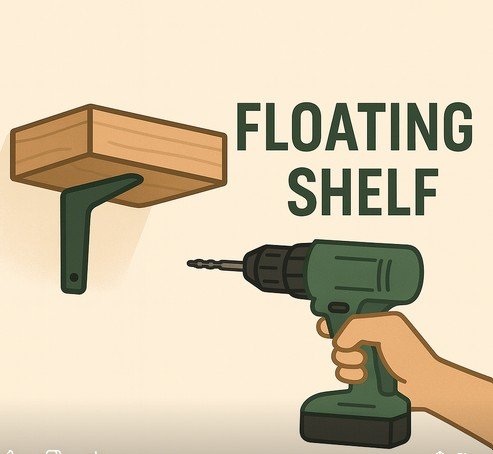
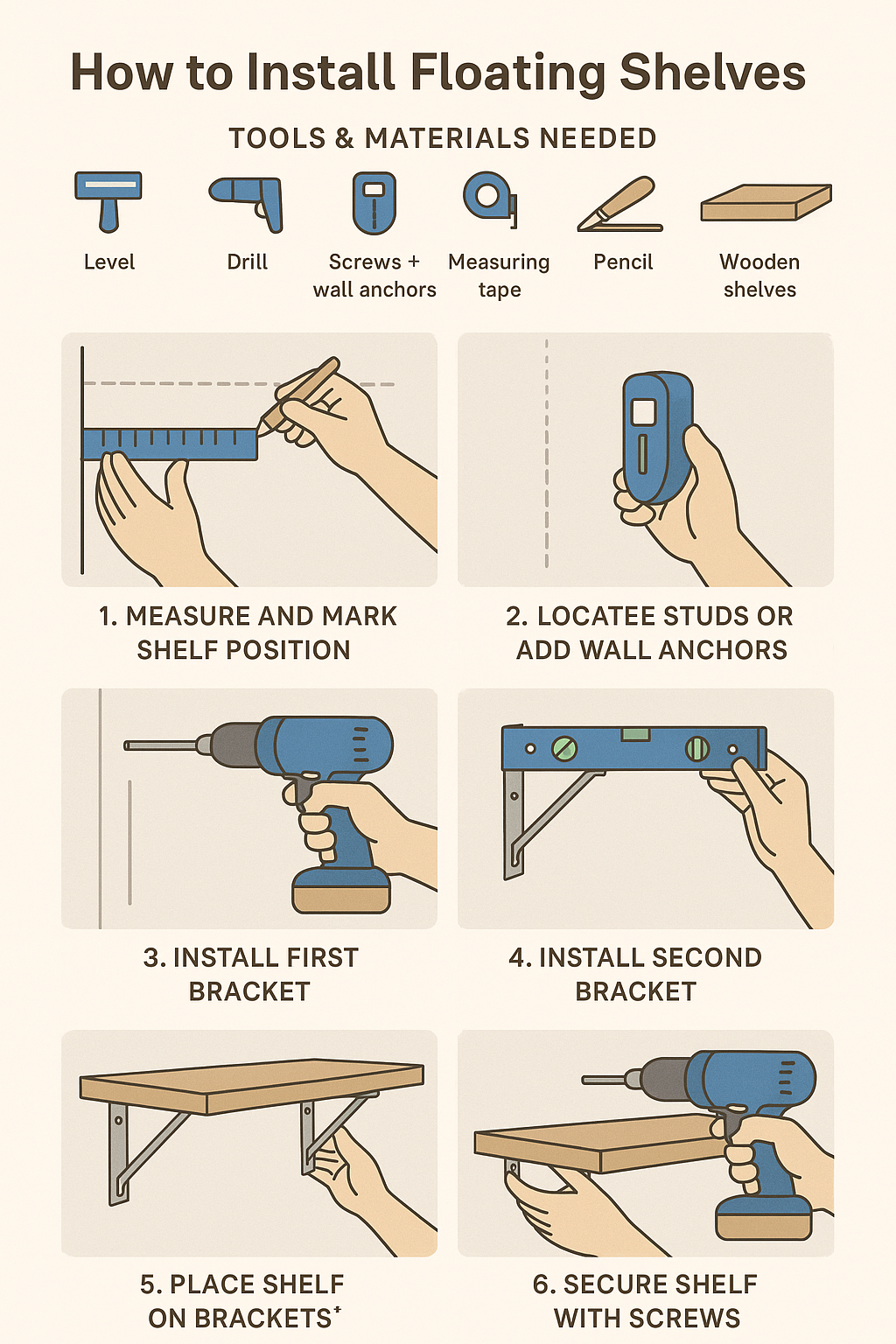
Floating Shelves Installatin
Floating shelves are simple to install and perfect for small spaces.
Using a level, drill, and sturdy wall anchors, you mount two brackets securely to the wall, place your wooden shelf on top, and fasten it with screws from underneath. The key to a strong, balanced shelf is finding studs (or using proper anchors), keeping the brackets perfectly level, and tightening all screws so the shelf sits flush and stable. This beginner-friendly upgrade takes less than an hour and instantly adds clean, modern storage to any room
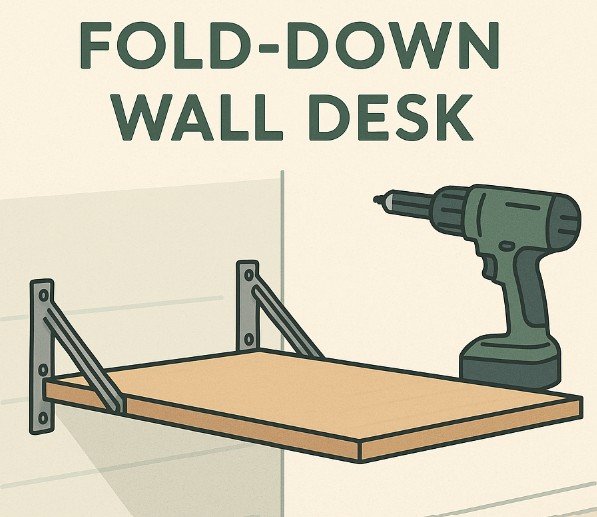
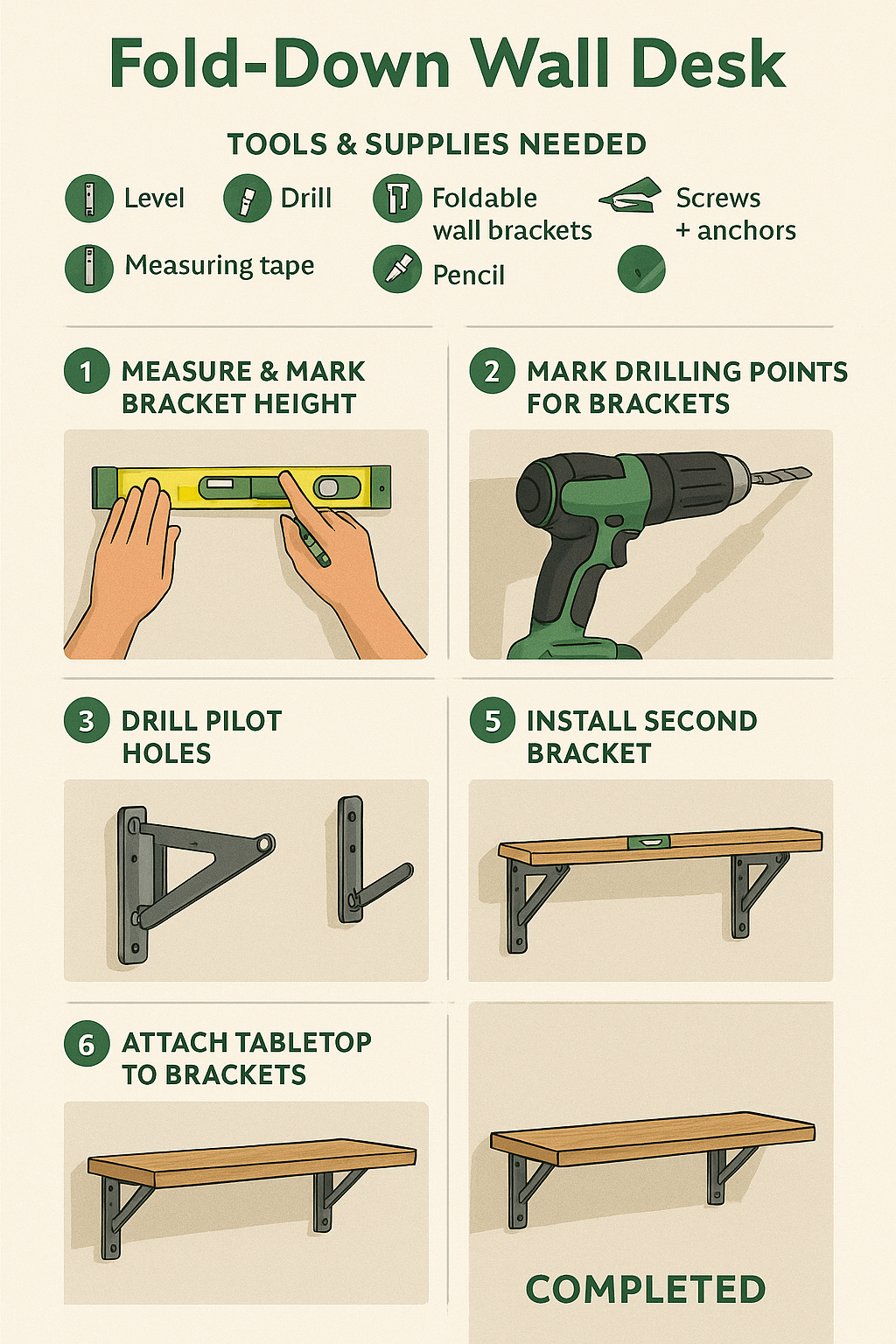
Fold-Down wall desk
A fold-down wall desk is the perfect space-saving workstation for small rooms, apartments, and tiny homes. Installed with foldable wall brackets, it provides a sturdy work surface that folds flat against the wall when not in use. This beginner-friendly DIY upgrade maximizes vertical space, improves functionality, and creates a clean, minimalist workspace without taking up valuable floor area.
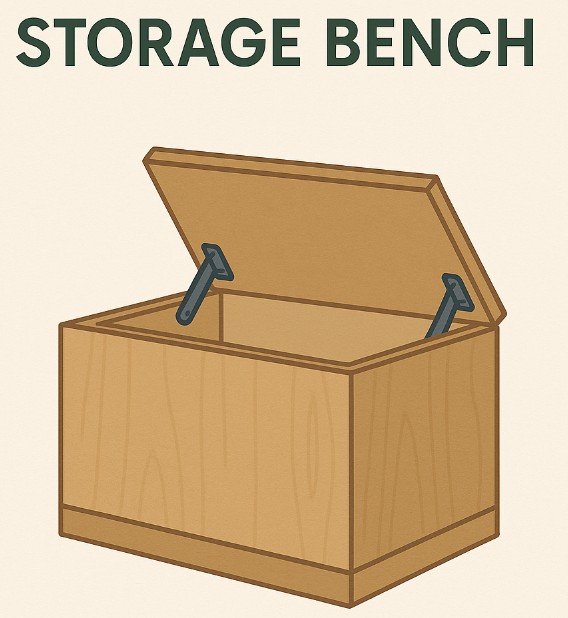
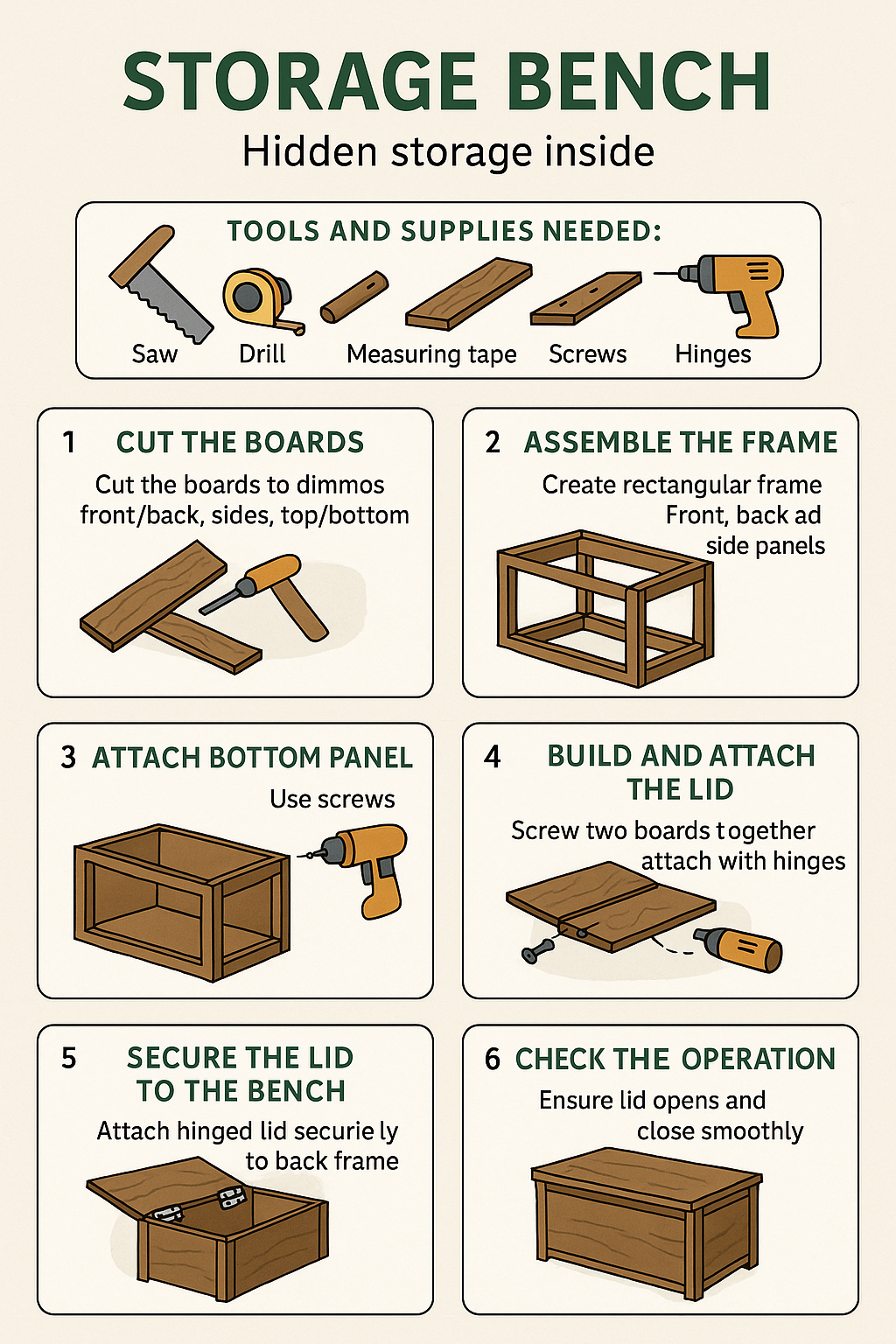
Storage Bench Installation
A storage bench is a practical, space-saving DIY project perfect for tiny homes, small apartments, and multipurpose rooms. Built with simple wooden panels and a hinged lid, it provides hidden storage while doubling as a seating area. This beginner-friendly design helps maximize floor space, reduce clutter, and add functional style to entryways, bedrooms, and living areas.
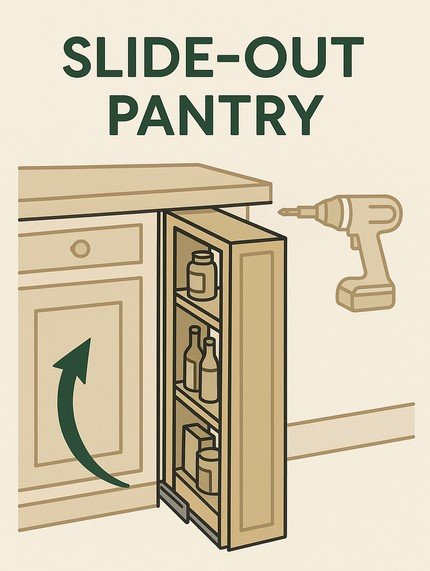
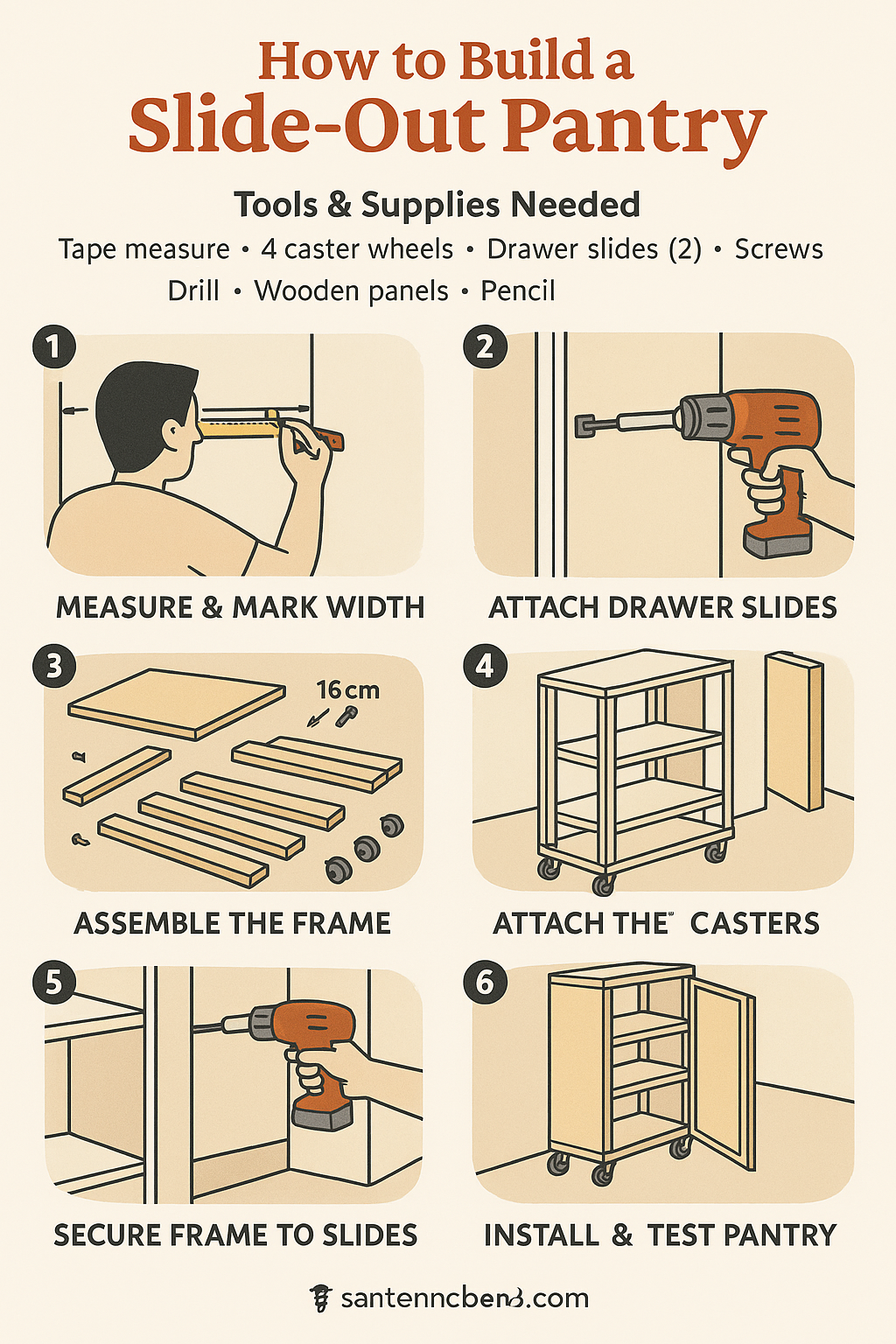
Slide-Out Pantry
Learn how to build a slide-out pantry that maximizes narrow spaces in kitchens, apartments, and tiny homes. This step-by-step guide shows you how to install drawer slides, assemble the frame, attach caster wheels, and ensure smooth gliding movement. A slide-out pantry adds vertical storage, improves organization, and fits perfectly between cabinets or tight gaps—making it one of the best small-space kitchen upgrades.
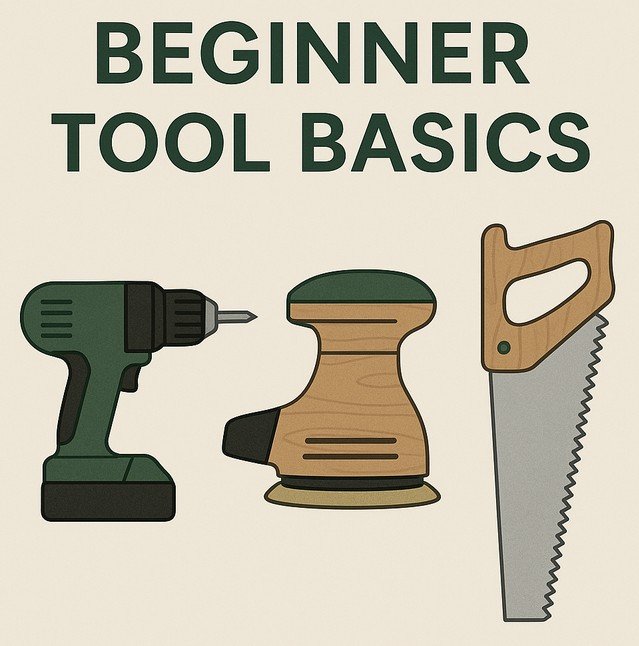
Beginner Tools – Quick Guide
How to Use a Drill
Learn to drill straight, change bits safely, control torque.
Read a printable PDF guide: How to Use a Power Drill (Ace Hardware) ➜ PDFOnline tutorial: How to Use a Drill (Instructables) ➜ Tutorial
How to Use a Saw (Jigsaw)
Basics of safe cutting using a jigsaw: setting up, choosing blades, controlling cuts.
Complete beginner’s guide: How to Use a Jigsaw: Complete Beginner’s Guide (Kreg Tool) ➜ Web
Printable PDF manual: Jigsaw Instruction Manual (CR Laurence) ➜ PDF
Workspace Setup in Tiny Areas
How to create a compact, safe workspace using: foldable table, clamps, drop cloths, wall storage, good lighting.
For workspace setup help: A Beginner’s Tool Guide – The Woodcrafter’s Journey ➜ Web
Material Selection Tips
Quick guide to choosing easy-to-work-with materials based on your project size, budget, and finish.
Measuring & Cutting Guide
Accurate Measuring
Follow measure twice, cut once.
Mark lines with a sharp pencil and use a square for straight edges.
Measure from factory edges for the best accuracy.
Remember the blade kerf—the saw removes a thin strip of material.
Safe Cutting Basics
Choose the right blade (fine-tooth for clean edges).
Clamp materials for stability, especially in tight areas.
Cut slowly and keep hands out of the blade path.
Wear safety gear (goggles, mask, hearing protection).
Working in Small Spaces
Use compact tools (mini circular saw, Japanese pull saw).
Support boards with scrap wood or a folding table.
Cut outdoors if dust or space is limited.
Beginner Visuals (Image Ideas)
Straight-line marking with a tape measure + square.
Clamped board with safe hand placement.
Kerf diagram showing blade thickness.
Safe Wall Anchors
How to Use a Drill
Learn to drill straight, change bits safely, control torque.
Read a printable PDF guide: How to Use a Power Drill (Ace Hardware) ➜ PDFOnline tutorial: How to Use a Drill (Instructables) ➜ Tutorial
How to Use a Saw (Jigsaw)
Basics of safe cutting using a jigsaw: setting up, choosing blades, controlling cuts.
Complete beginner’s guide: How to Use a Jigsaw: Complete Beginner’s Guide (Kreg Tool) ➜ Web
Printable PDF manual: Jigsaw Instruction Manual (CR Laurence) ➜ PDF
Workspace Setup in Tiny Areas
How to create a compact, safe workspace using: foldable table, clamps, drop cloths, wall storage, good lighting.
For workspace setup help: A Beginner’s Tool Guide – The Woodcrafter’s Journey ➜ Web
Material Selection Tips
For best results choosing easy-to-work-with materials based on your project size, budget, and finish.
Electrical & Plumbing Basics
Simple safety steps for beginner DIY projects.
Electrical
Turn power off at the breaker before starting.
Identify hot, neutral, and ground wires correctly.
Use a voltage tester to confirm no power.
Never overload circuits—tiny spaces often have limited amperage.
Plumbing
Shut off the main or local water valve first.
Use Teflon tape on threaded joints to prevent leaks.
Tighten gently—overtightening causes cracks or drips.
Safety Essentials
Keep water away from outlets; use GFCI near sinks.
Place a towel or bucket under plumbing work areas.
For anything unclear or hazardous, call a pro.
Visual Ideas
Breaker switch OFF symbol
Tape-wrapped plumbing joint
Simple wire-color diagram