
Live Simply. Build Wisely
Minimalist & Sustainable Paths
The Minimalist & Sustainable Paths focus on intentional living — reducing waste, maximizing function, and embracing eco-conscious design.
Why Choose This Path
- Lower Environmental Impact: Smaller spaces and renewable materials mean a lighter carbon footprint.
Financial Freedom: Living with less reduces upkeep, energy bills, and debt — freeing resources for experiences, travel, or investment.
Health & Wellbeing: Minimalism clears visual and mental clutter, creating calm, restorative environments.
Durability & Efficiency: Sustainable designs focus on long-lasting materials, energy efficiency, and passive heating/cooling.
Resilience: Eco-friendly homes are easier to maintain off-grid and more adaptable during resource shortages or relocations.
Minimalist & Sustainable Paths
Simplify your space, amplify your life. Discover design approaches and lifestyle models that prioritize efficiency, mindfulness, and eco-conscious living — creating homes that give back more than they take.
| Approach | Description | Ideal For |
|---|---|---|
| LEED & Passive House Design | Homes built with advanced insulation, natural light, and energy-efficient systems that minimize carbon emissions. | Eco-builders, urban developers, green homeowners |
| Zero-Waste Living | A lifestyle focused on reducing waste through reuse, repair, composting, and mindful consumption. | Minimalists, eco-conscious families, sustainability advocates |
| Eco Villages & Intentional Communities | Shared land and resources with sustainable food systems, renewable energy, and collaborative living. | Community builders, families, off-grid enthusiasts |
| Energy-Efficient Homes | Smart architecture using solar panels, natural ventilation, and high-efficiency systems to lower energy use. | Homeowners, small developers, climate-conscious dwellers |
| Recycled & Natural Materials | Use of reclaimed wood, bamboo, cork, clay, or hempcrete for long-lasting, toxin-free, and eco-friendly construction. | DIY builders, eco-designers, sustainable architects |
Helpful Tools:
• LEED Green Building Certification – Sustainable standards and project database.
• Global Ecovillage Network – Connect with intentional sustainable communities.
• Green Building Advisor – Practical guides and energy modeling tools.
• Zero Waste Home Toolkit – Everyday habits for low-impact living.
• U.S. Department of Energy Efficiency Hub – Tools and incentives for efficient homes.
How to Get Started
Declutter with Purpose: Identify what supports your lifestyle — and what doesn’t.
Choose Sustainable Materials: Look for bamboo, reclaimed wood, cork, or recycled steel.
Optimize Energy Use: Incorporate solar panels, LED lighting, and efficient insulation.
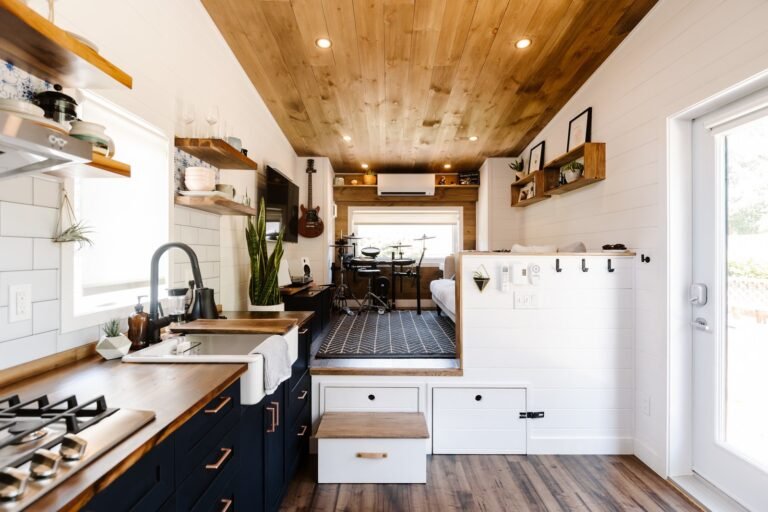
Design for Function: Every inch counts — embrace multi-use furniture, vertical storage, and compact layouts.
Connect with Values: Align your home with principles of community, circular economy, and ethical consumption.
Tools & Resources
LEED Green Building Certification — Guidelines for sustainable design and construction
Tiny House Sustainable Materials Guide — Practical insights for eco-friendly materials
Global Ecovillage Network — Community models built on sustainability principles
Energy.gov Home Efficiency Resources — Government resources on efficient home design
Zero Waste Home Toolkit — Step-by-step habits for minimalist living
NestPaths Insight
Minimalist and sustainable living isn’t about restriction — it’s about liberation.
Every choice becomes intentional: every item purposeful, every resource valued.