
Start Smart, Save Time, and Stay Compliant
Housing Options & Practical Guides
Building or buying a small home isn’t just about design — it’s about strategy, budgeting, and knowing what to expect at each step. Whether you’re creating your own DIY build, buying a ready-made model, or converting a vehicle or structure into a living space, this guide helps you plan wisely and stay within your budget and zoning limits.
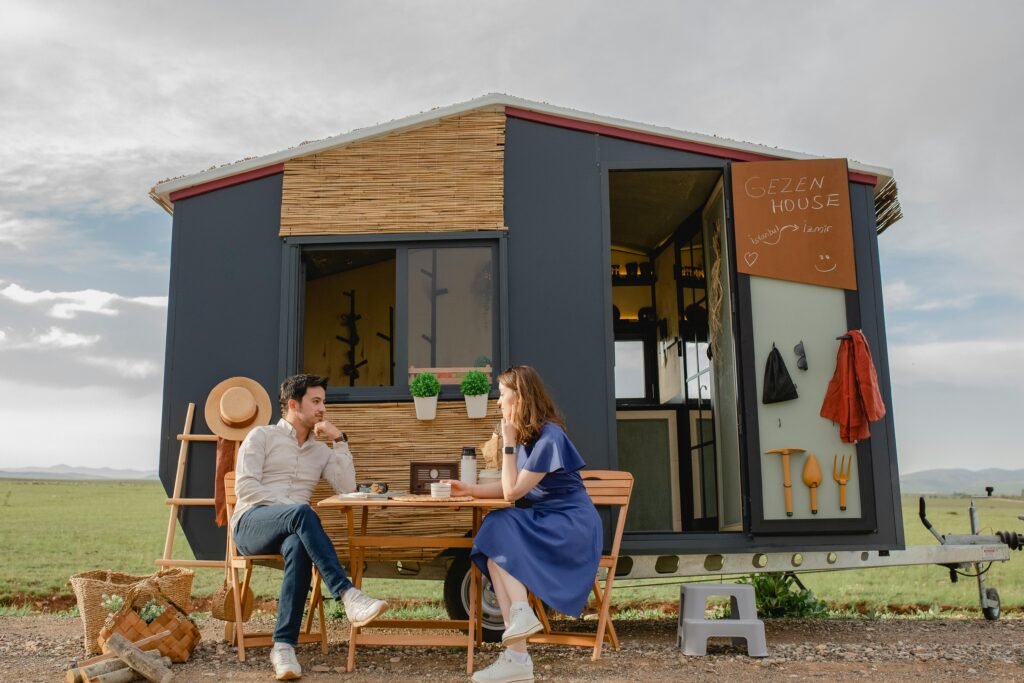
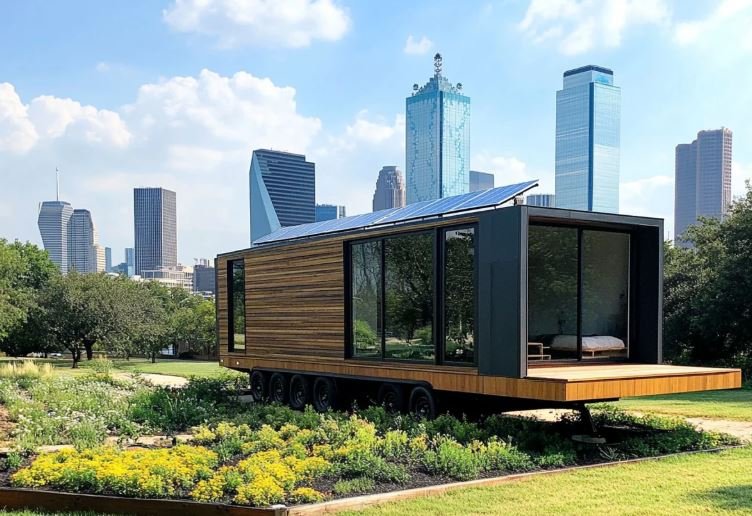
Compare prefab, mobile, or modular models and learn how to order safely.
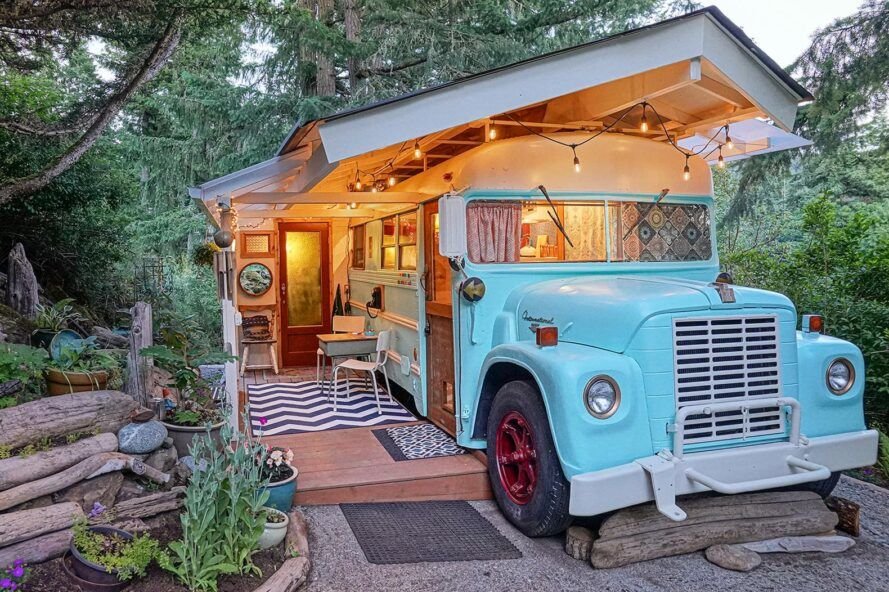

Step-by-step planner to help users identify which housing options best fits their goals.
DIY & Custom Housing Options
Building your own space isn’t just about saving money — it’s about independence, creativity, and control over where and how you live. Whether you’re crafting a compact cabin, repurposing a trailer, or converting a shed into a livable retreat, small-scale construction can be empowering, sustainable, and deeply rewarding.
Why Go DIY or Custom?
DIY and custom builds give you flexibility to:
Adapt your home to local zoning, mobility, or off-grid conditions.
Use recycled, renewable, or low-cost materials.
Learn valuable skills in carpentry, energy systems, and design.
Create a personal space that reflects your vision and needs.

Common Small-Scale Builds
Tiny Homes on Wheels (THOWs): Built on trailers for flexibility and legal mobility.
Cabin & Cottage Builds: Simple, semi-permanent structures suited for rural or retreat settings.
Container Conversions: Fast to set up, durable, and great for modular stacking or expansion.
Van & Bus Conversions: Perfect for nomads who prefer mobility and simplicity.
Shed-to-Home Upgrades: Convert existing structures into offices, studios, or micro-homes.
Planning Your Build
Before you start, map out your approach:
Design & Layout: Sketch your space, focusing on natural light, insulation, and storage.
Budgeting: Estimate total material, labor, and permit costs — try the Budget Calculator
.
Zoning & Compliance: Check local rules for size limits, utility connections, and mobile builds.
Power & Water: Decide between grid-tied, solar, or hybrid systems.
Safety & Materials: Choose durable, sustainable materials and ensure proper ventilation.
Tools & Resources
Build-Your-Own Guides: Step-by-step resources for framing, plumbing, and insulation.
Material Sourcing: Links to reclaimed wood, lightweight panels, and solar kits.
Skill Builders: Tutorials and videos to teach wiring, framing, and basic design.
Community Projects: Connect with others building in your region for advice or shared labor.
Inspiration & Next Steps
Check real examples of creative DIY builds — from backyard cottages to converted vans — and explore hybrid options that combine mobility with comfort.
When you’re ready to take the next step, use the Planning Tools or Zoning Help to verify your build site and start sketching your dream layout.
Prebuilt & Modular Home Guide
What Are Prebuilt and Modular Homes?
Prebuilt (or “prefab”) and modular homes are factory-manufactured living units that are assembled or delivered to your site ready for setup. They differ in mobility, structure, and regulation:
Prefab Homes: Factory-finished sections assembled on-site; great balance of speed and quality.
Modular Homes: Built in modules, allowing larger or more customizable layouts.
Mobile or Park Models: Smaller, transportable units often built on wheels; ideal for seasonal or flexible living.
Benefits of Factory-Built Housing
Speed & Cost Efficiency: Shorter build times and predictable pricing.
Sustainability: Controlled production minimizes waste and energy use.
Custom Options: Layouts, finishes, and smart home integrations tailored to your lifestyle.
Portability: Many units can be relocated, expanded, or resold with ease.
How to Choose the Right Model
Before you order, evaluate your needs and legal requirements:
Location & Zoning: Confirm whether mobile or modular units are permitted in your region.
Climate & Durability: Choose materials and insulation suited to your environment.
Foundation Type: Determine if your model requires a permanent base or can remain mobile.
Utilities: Check options for solar kits, composting toilets, and water hookups.
Warranty & Delivery: Review transport, assembly, and long-term service coverage.
Ordering & Setup Tips
Always verify the manufacturer’s certifications and local compliance codes.
Compare shipping costs and delivery timelines before signing any agreement.
Inspect all inclusions (fixtures, wiring, insulation) prior to final payment.
Consider professional setup for leveling, plumbing, and electrical connections.
Save your receipts and manuals for warranty and insurance purposes.
Helpful Tools & Resources
Model Comparison Directory → Explore verified prefab and modular manufacturers.
Budget Calculator → Estimate total costs including delivery and setup.
Zoning Help → Check your region’s rules for modular or mobile living.
Home Setup Checklist (PDF) → Download a printable pre-move inspection and installation list.
Housing Decision Roadmap
Step-by-step planner to help you identify which housing option best fits your goals.
Step 1: Define Your Lifestyle & Priorities
Start by identifying what matters most:
Mobility: Do you want to travel, or stay rooted?
Budget: What’s your realistic monthly or total build budget?
Community: Do you prefer solitude, shared land, or co-living?
Climate & Environment: Which regions match your comfort and safety needs?
Purpose: Is this a full-time home, retirement base, or temporary setup?
Step 2: Explore Your Options
Use this step to compare different housing paths:
| Option | Best For | Flexibility | Cost Range | Key Benefit |
|---|---|---|---|---|
| DIY / Custom Build | Hands-on creators | Medium – High | $$ – $$$ | Full design control |
| Prebuilt / Modular | Fast setup seekers | Medium | $$ – $$$ | Reliable & quick installation |
| Mobile / Vanlife | Nomads & explorers | Very High | $ – $$ | Freedom to relocate |
| Shared / Urban Housing | City-based lifestyles | Medium | $ – $$ | Community & cost savings |
| Traditional / Permanent Housing | Long-term roots | Low | $$$ | Stability & comfort |
Tip: You can mix approaches — such as starting with a mobile home and transitioning into a modular or permanent base later.
Step 3: Plan for Legal, Financial & Practical Fit
Before committing, review essential considerations:
Zoning & Permits: Check what’s allowed on your chosen land or region.
Financing: Estimate cost using the Budget Calculator → and explore loan options.
Setup & Maintenance: Plan for utilities, mobility, and seasonal adjustments.
Exit Strategy: Think about resale, relocation, or upgrading over time.
Step 4: Make an Informed Decision
Once you’ve explored your options, summarize your findings using the Housing Decision Worksheet (PDF) or an interactive checklist.
This helps you visualize trade-offs, align your goals, and make choices that fit your lifestyle — not just your budget.
Helpful Tools & Next Steps
Start Your Housing Roadmap → Begin the interactive planner.
Zoning Help → Understand location-based restrictions.
Smart Budgeting → Use calculators to model affordability scenarios.
Planning Tools Library → Access printables, spreadsheets, and guides for your journey.